
With its diverse woodland and coastal landscapes, West Wales is a fantastic place to go foraging.
Foraging is the practice of gathering wild food such as fruit, vegetables, mushrooms, herbs and other edible plants from natural environments. It can be a lovely way to learn more about the local surroundings and truly appreciate the world around us.
Foraging is best done with the guidance of an expert who can show you what to pick and where. There are plenty of well-regarded foraging experiences to embark on when visiting West Wales!
Where Can You Go Foraging in West Wales?
Pembrokeshire and Carmarthenshire have an abundance of good foraging spots. With a rich coastline, untouched hedgerows and wild woodland areas, there are so many fertile places away from the hustle and bustle of modern life where you can explore and gather some tasty treats.
What Can You Forage in West Wales?
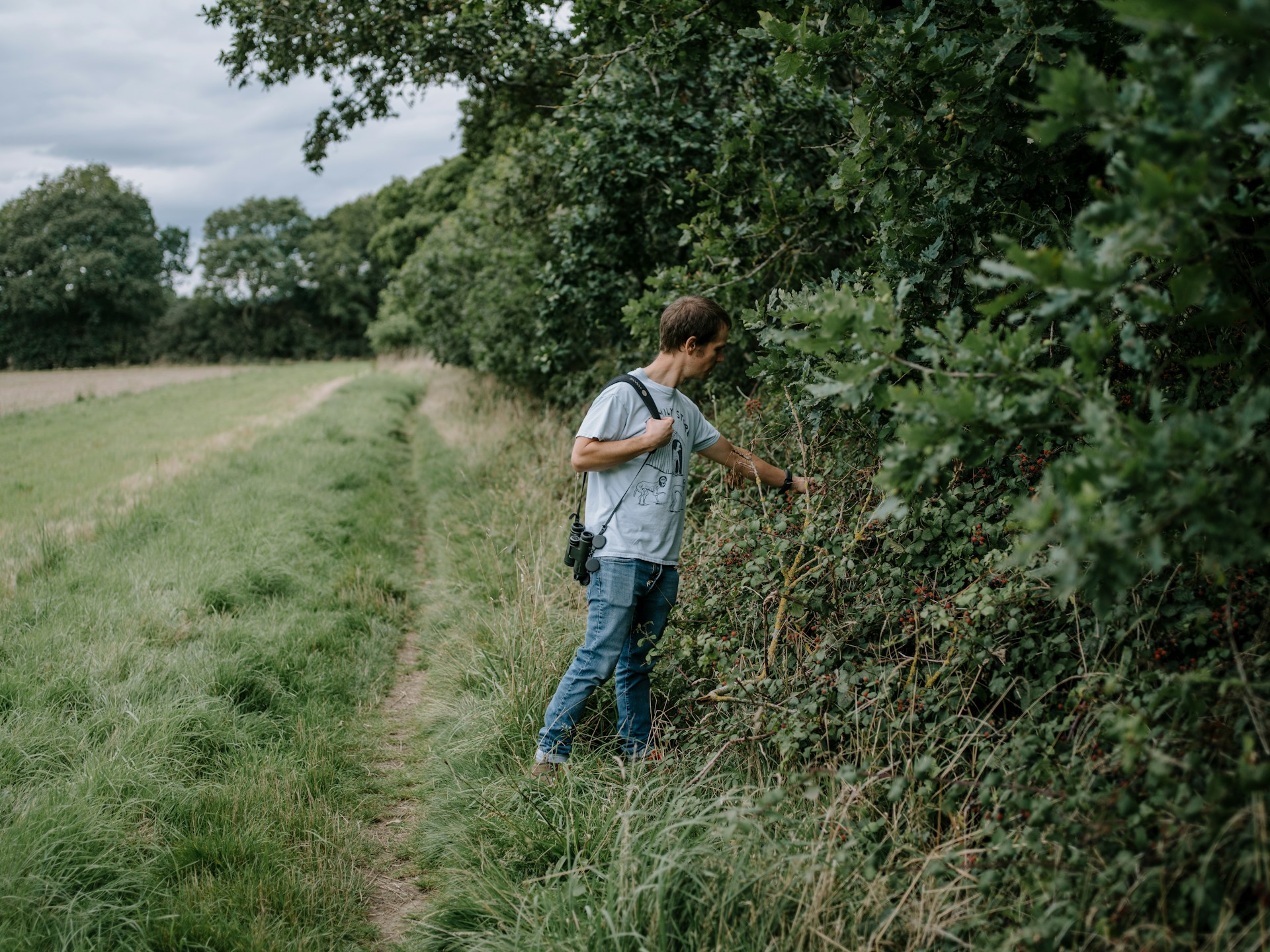
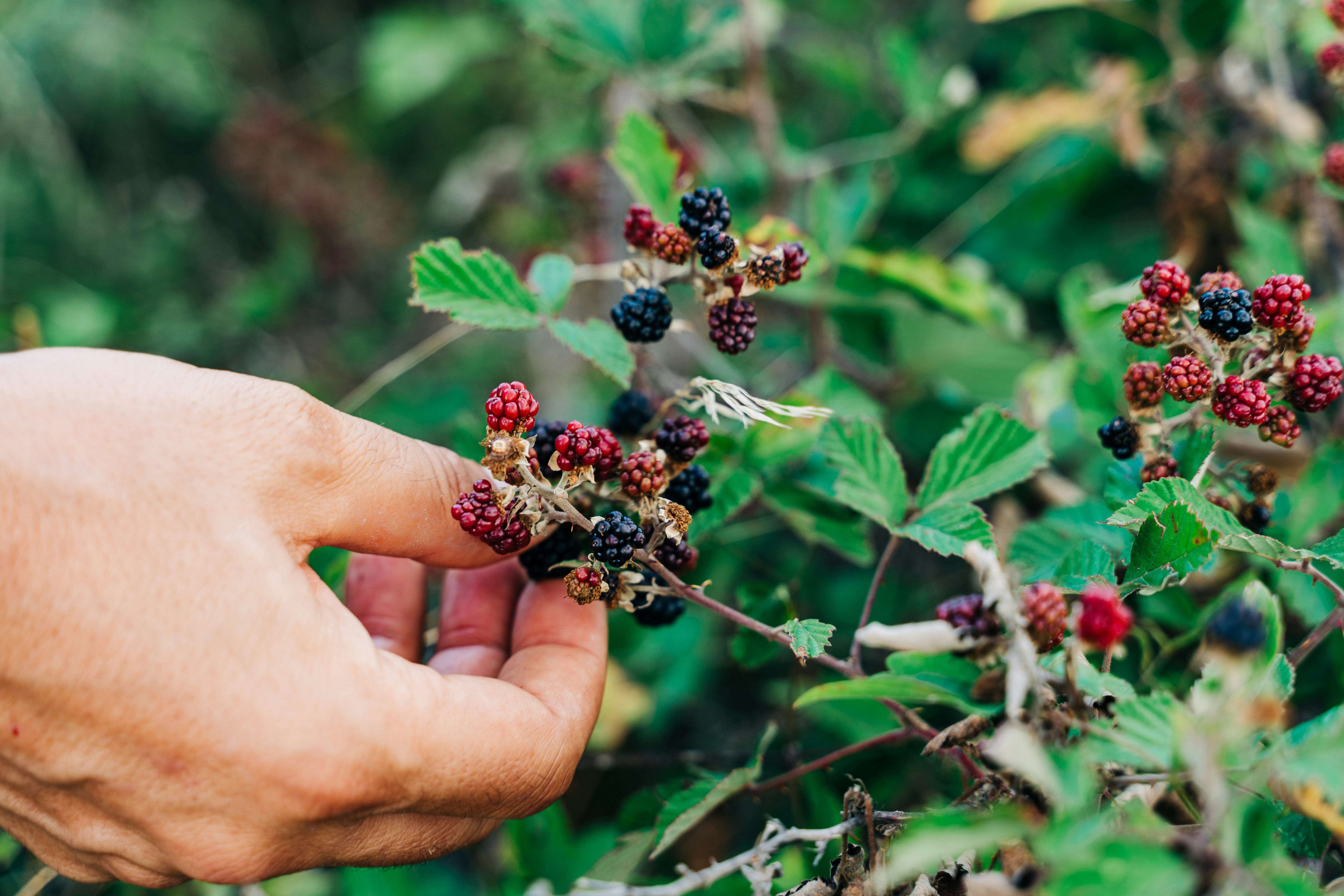
West Wales is abundant with wild-grown seasonal fare; you just have to know what to look for. From hedgerows and woodland areas, you can generally find things like:
- Blackberries
- Sloe berries
- Elderflowers
- Crab apples
- Nettles
- Wild garlic
- Rosehip
- Hazelnuts
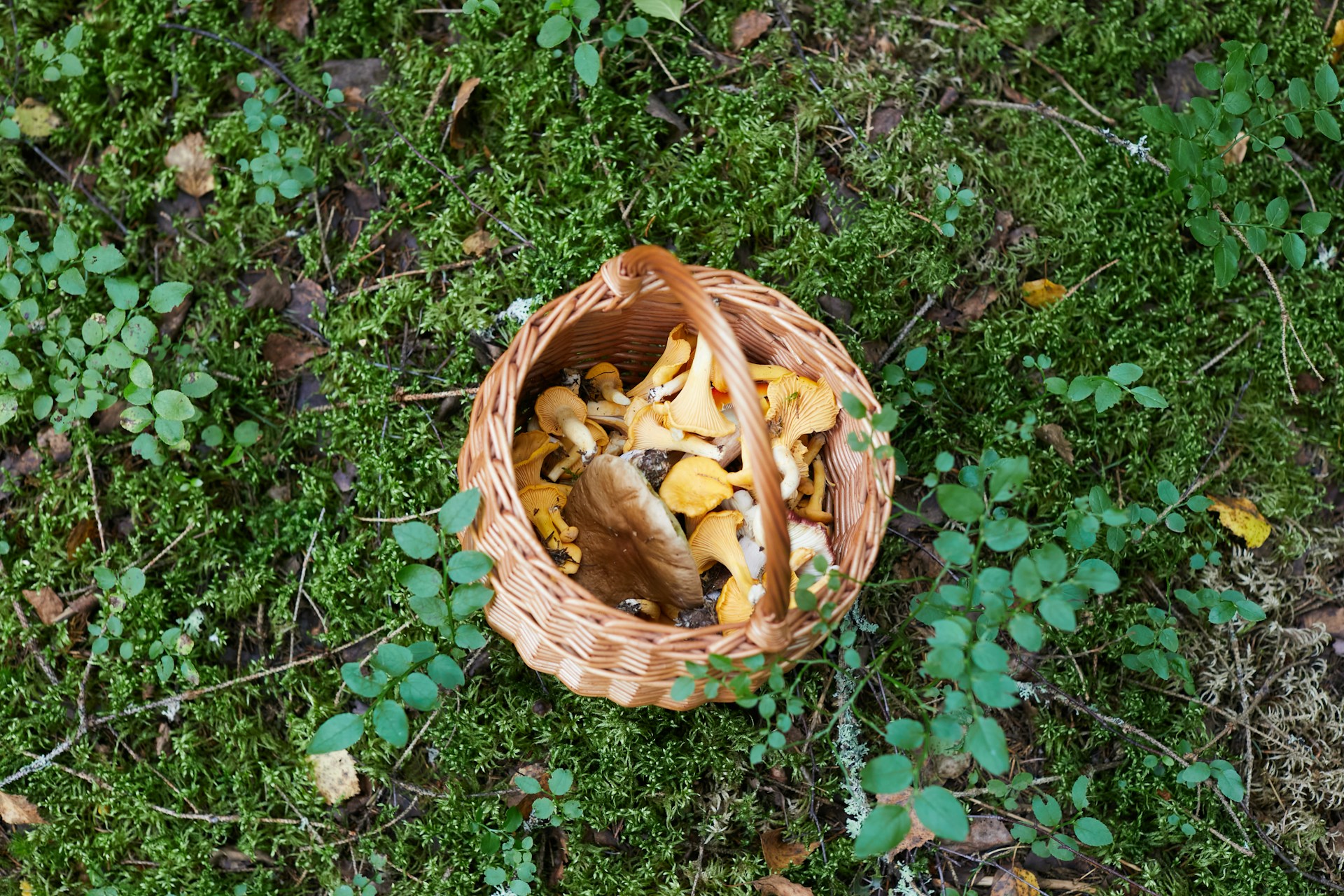
- Various mushrooms
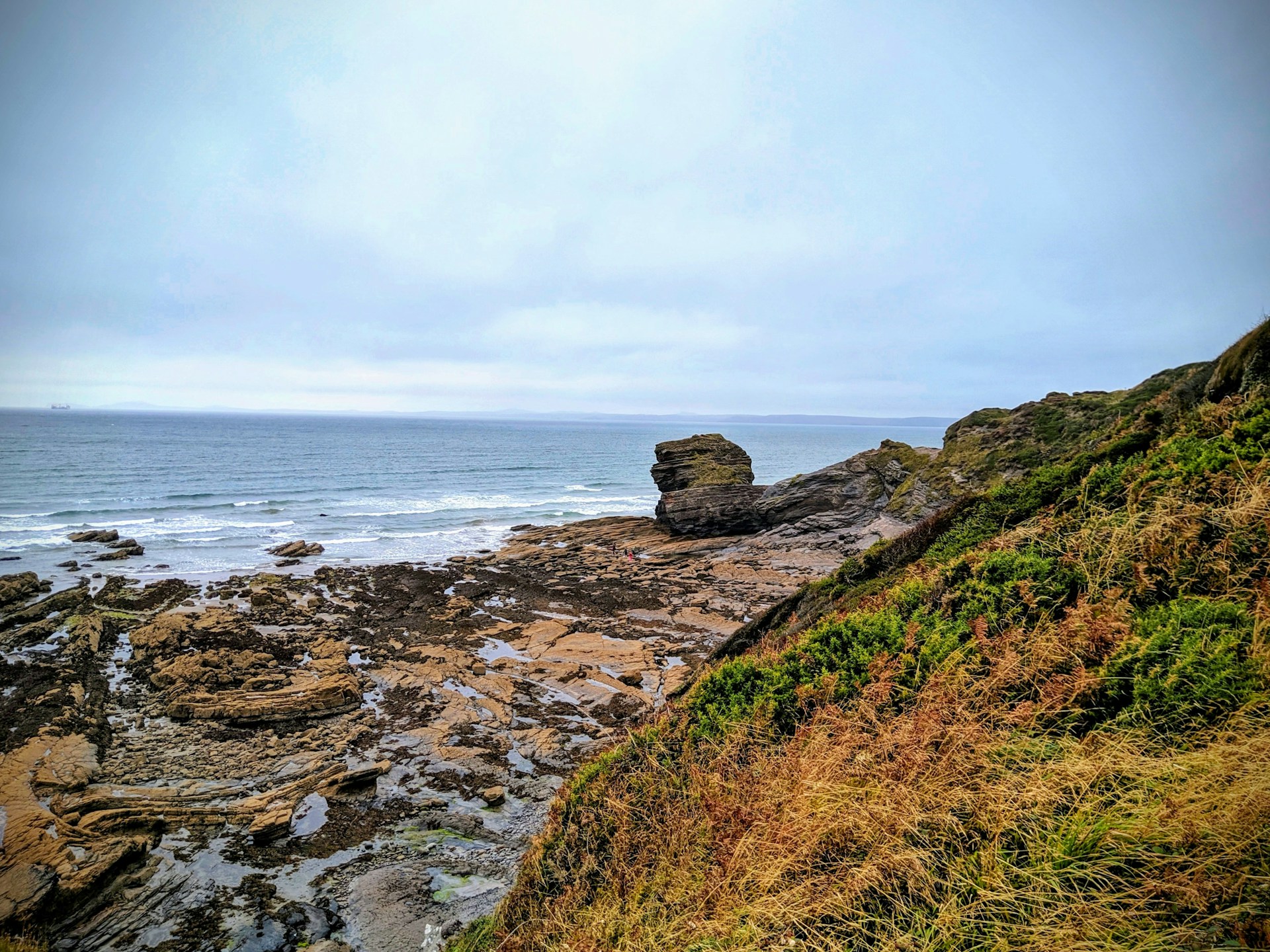
West Wales is also particularly known for its coastal foraging opportunities, where you can find:
- Various seaweeds
- Sea vegetables
- Samphire
- Mussels
- Crabs
- Clams
- Cockles
Foraging Experiences & Courses in West Wales
While foraging may seem easy enough, it’s always best to seek the help of experts. Inexperienced foragers can easily end up picking the wrong thing or disrupting the environment, so it’s better to embark on a guided tour or course rather than heading out into the wild alone.
There are a number of experienced foraging companies working out of Pembrokeshire and Carmarthenshire that offer beginner or more extensive courses that teach you how to forage safely and identify the plants around you. Many will also offer outdoor cooking sessions, so you can sample the food you gather along the way.
Coastal Foraging
Based along the Carmarthenshire and Pembrokeshire coasts, Coastal Foraging is run by renowned forager Craig Evans. Here you can enjoy a range of tailored courses that teach you all about finding wild delicacies on the shore and amongst the rockpools. Most sessions end with a spot of cooking on the beach so you can delight in the flavours you’ve found.
Forage Pembrokeshire
Run by Dan Moar, Forage Pembrokeshire offers a range of foraging experiences covering various environments, including gathering food from woodlands, hedgerows, meadows, salt marshes, rock pools and beaches. These sessions are great for building your confidence as a forager and collecting a diverse selection of ingredients.
Really Wild Emporium
The Really Wild Emporium is a St Davids-based business that offers exciting foraging experiences taught by experienced guides. Explore the hedgerows and coastline around St Davids for the chance to find an array of seasonal treasures.
Wild Pickings
Based near Cardigan, Wild Pickings, run by Jane Mellor, holds all sorts of workshops and tours geared towards community and celebrating nature. Learn about wild botanicals, seaweed foraging and seasonal finds.
Following Foraging Best Practices
Foraging provides some brilliant opportunities to get out and about in nature, but it’s important to remain mindful of wild foraging guidelines to ensure you keep yourself and the environment safe.
One of the many good things about joining a professionally guided foraging course is that the guides will be able to thoroughly walk you through the best practices and address any concerns you may have. Basic foraging best practices include:
- Confident identification: Make sure you are 100% certain that you know what plant you’ve picked and whether it’s safe to eat.
- Minimise damage and impact: Don’t take more than you need and be mindful of the surrounding areas to ensure you don’t accidentally damage adjacent plants.
- Get permission: Some sites may prefer that you don’t forage there, so always double-check first. Most sites will also only allow foraging for personal use.
- Don’t take rare species: Avoid collecting rare plants and stick to plants, flowers or fungi that grow in abundance to avoid changing the delicate balance of the ecosystem.
- Avoid contamination: Only pick from wild areas and avoid spots near old industrial sites or roadsides that could be subject to contamination.
- Leave no trace: Don’t leave any rubbish or disturbance behind – it’s all about being in communion with nature.
Holiday Cottages in the West Wales Countryside
Our countryside holiday cottages in West Wales provide the perfect base for all your foraging and outdoor adventures. Whether you’re after a secluded spot amidst the trees or somewhere right by the glorious coast, our Ceredigion, Carmarthenshire and Pembrokeshire stays allow you to enjoy the breathtaking beauty of West Wales up close.
